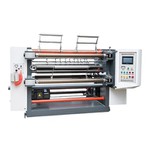
Key Considerations for Selecting a Blown Film Machine
Selecting the right blown film machine is not about choosing the highest configuration, but about matching your specific production needs. An improper choice can lead to excessive costs, resource waste, or failure to meet product quality standards. Follow these four steps to make an informed decision:
🎯 Step 1: Define Film Application and Raw Materials
This is the foundation for machine selection, determining its core configuration.
1. Film Application:
◦ General Packaging / Garbage Bags: A single-layer blown film machine is sufficient, offering low cost and simple operation.
◦ High-end Food / Industrial Packaging: A multilayer co-extrusion blown film machine (e.g., 3-layer, 5-layer) is essential to meet high requirements for barrier properties (oxygen/moisture resistance), strength, and clarity. It combines resins with different functionalities.
◦ Agricultural Film / Greenhouse Film: Typically requires wide-width films. Choose a machine that supports large film widths.
2. Production Raw Materials:
◦ Virgin Resins (LDPE, HDPE, LLDPE, PP): Most standard blown film machines can process these.
◦ Recycled/Reclaimed Materials: Due to higher impurity content and difficulty in plasticization, choose a machine with enhanced wear resistance in the screw and barrel and superior plasticizing capability.
◦ Biodegradable Materials (PLA, PBAT): These materials have poor thermal stability and high viscosity. A machine equipped with a dedicated screw and a high-precision temperature control system is mandatory to prevent material degradation and ensure film uniformity.
⚙️ Step 2: Evaluate Core Production Requirements
Translate your business plan into specific machine specifications.
1. Capacity Planning:
◦ Small Batch / Startup: A single-screw or compact blown film machine is recommended for lower initial investment and higher flexibility.
◦ Large-Scale Production: Consider a twin-screw or multilayer co-extrusion production line to ensure high output and production stability.
2. Film Specifications:
◦ Width: Select a machine corresponding to your required film width (e.g., 600mm, 1000mm, 3000mm).
◦ Thickness: Confirm that the machine's supported thickness range (e.g., 15-150 microns) meets your product requirements.
⚡ Step 3: Focus on Key Performance Indicators
These technical parameters directly determine film quality and production cost.
• Screw Design: The screw is the heart of the machine. A longer screw (L/D ratio ≥ 30:1) provides better mixing and plasticization, which is crucial when processing reclaimed materials or material blends.
• Automation Level: For high-quality films with strict thickness tolerances, choose a machine equipped with an Automatic Gauge Control (AGC) system (e.g., beta-ray or infrared sensors) and PLC control to ensure uniform film thickness and reduce waste.
• Energy Efficiency: Prioritize equipment that incorporates energy-saving technologies like electromagnetic heating, frequency inverters, or heat exchangers, which can significantly reduce long-term electricity consumption costs.
🛠️ Step 4: Comprehensive Cost and Service Evaluation
Beyond the purchase price, long-term operational stability and costs are equally important.
1. Total Cost of Ownership (TCO): Consider not just the initial quote, but also energy consumption, labor, maintenance, and spare parts costs.
2. Equipment Quality & After-Sales Service: The quality of core components (screw, die head) determines machine lifespan. Choosing a reputable supplier with responsive after-sales support is vital, especially for production-dependent businesses that require quick issue resolution.
3. Compliance & Space: Ensure the equipment meets local safety and environmental standards, and confirm that your factory has adequate space, power supply, and other necessary utilities.
In summary, selecting a blown film machine is a systematic process. It is recommended that you base your decision on your current business needs while allowing some room for future development, balancing all the aspects mentioned above to choose the most suitable equipment for your enterprise.