

Slitting Machine
Why Choose Us
Our Ruian Mingfeng Machinery Co.,Ltd. is a professional manufacturer of film blowing machine, plastic bag making machine, printing machine and recycling machine etc.
Experienced Team
Established a group of highly skilled after-sales service teams,including experienced engineers and senior technicians. We also gain multiply national invention patents.
Excellent Product Quality
We are committed to providing high-quality machinery through advanced manufacturing technology and rigorous quality control processes, ensuring each product meets the highest standards. Our equipment is meticulously designed, offering outstanding performance and durability to meet customer demands for reliability and quality.
Reasonable Prices
At Ruian Mingfeng Machinery Co.,Ltd., we believe that high-quality machinery should not be synonymous with exorbitant prices. Through lean production and efficient management, we reduce production costs and pass these cost advantages directly to customers, ensuring our products are competitively priced in the market.
Outstanding Service
Customer satisfaction is paramount in our service philosophy. We have established a professional and efficient customer service team ready to answer inquiries, provide technical support, and ensure customers receive optimal support and experiences during the purchase, installation, and usage processes. We prioritize communication with our customers, offering not only products but also solutions to meet diverse needs.
-
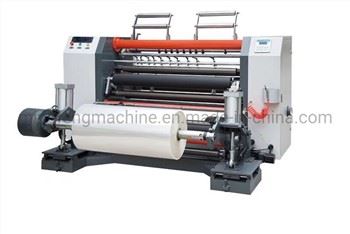 High Speed Slitting MachineThe machine is applied to slitting single layer plastic film of PET, OPP, CPP, PE, PS, PVC, etc., multilayer laminated plastic film, paper and other roll materials.Add to Inquiry
 -
 PE Stretch Film Slitter Rewinder MachineThe machine is applied to slitting single layer plastic film of PET, OPP, CPP, PE, PS, PVC, etc., multilayer laminated plastic film, paper and other roll materials.Add to Inquiry
 -
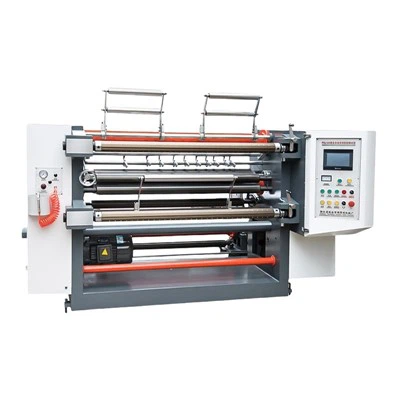 Horizontal Type Slitting And Rewinding MachineThe machine is applied to slitting single layer plastic film of PET, OPP, CPP, PE, PS, PVC, etc., multilayer laminated plastic film, paper and other roll materials.Add to Inquiry
 -
 Paper Slitting and Rewinding MachineThis machine is used to slit the big wide roll paper, film, label, laminated paper into small wide rolls, this is full automatic slitting and rewinding machine with economic price and high quality.Add to Inquiry
 -
 Thermal Paper Slitting Rewinding MachineThe machine is used to slit All kinds of thermal paper, including fax paper, cash register paper, ATM paper, medical record paper, self-adhesive trade marks, films and so on.Add to Inquiry

- Mob: +8615167807851
- mingfengmachinery@163.com
- Add: Jielutou Industrial Zone, Ruian, Zhejiang, China
A slitter rewinder is a machine dedicated to cutting a master or parent roll of material to a smaller width in order to process the material in the next steps of a production process. Slitter rewinders can be found in numerous types of manufacturing facilities in numerous types of industries across the globe. If you want to know the specifications and prices of Slitting Machine, please contact us!
Type of Slitting Rewinding Machine
Horizontal Type Slitting And Rewinding Machine
This horizontal slitting and rewinding machine is equipped with a PLC programmable control system, allowing for automatic tension control. The machine operates through a user-friendly touch screen and human-computer interface, providing centralized display and control of parameters such as working status, speed, and tension. Its design includes a one-button start-stop functionality, facilitating the linkage control of the tension switch and main motor start-stop. Prior to initiating the machine, simply input basic parameters such as thickness, diameter, and speed of raw materials. All necessary calculations are then performed automatically by the computer.
Advantage: This horizontal slitting and rewinding machine is equipped with a metering function during rewinding, preset for automatic stop, and an automatic stop feature at the end of unwinding. Its structure is horizontal, positioning the unwinder and rewinder on opposite sides. The upper and lower rewinding mechanisms use air expansion shafts and pressure rollers. One end of the winding shaft is rotatable to facilitate unloading. Featuring a heavy-duty rotating structure (not a universal joint), the rewinding process employs a high-quality inversion magnetic powder clutch that ensures fast cooling.


Paper Slitting and Rewinding Machine
The Paper Slitting and Rewinding Machine is designed to cut wide and large rolls of paper, film, labels, and laminated paper into small and wide rolls. In addition to ordinary paper, it can also process non-woven fabrics, leather, felt, pearl cotton, and other materials. Furthermore, the paper rolls processed by the paper roll machine often lack precision, resulting in uneven edges, making them unsuitable for direct use in printing and other processes. Our equipment plays a crucial role in finishing. It effectively removes the rough edges of raw materials and ensures precise control over the width and roll diameter.
Advantage:
- The Paper Slitting and Rewinding Machine is equipped with a robust copper core motor, ensuring durability and a longer lifespan.
- Its independent intelligent operating system and fully automated production process simplify machine operation and enhance user-friendliness.
- Featuring a photoelectric correction system, it enables precise cutting of materials.
- Our range includes various models, allowing you to select the machine with different maximum unwinding diameters to suit your specific needs.
Thermal Paper Slitting Rewinding Machine
The Thermal Paper Slitting Rewinding Machine is designed for slitting various materials, including paper, PVC, leather, etc. The base paper produced in paper mills is often in large sizes. To manufacture products with smaller dimensions, the base paper needs to be cut into smaller raw materials, a task efficiently performed by our equipment. The machine is powered by a motor, with resistance adjusted through a magnetic powder clutch, and torque regulated by adjusting the current. The entire production process is highly automated, ensuring precision and efficiency.
Advantage:
- The Thermal Paper Slitting Rewinding Machine is equipped with unwinding correction, enabling automatic detection and correction during operation.
- With its automatic counting function, the machine eliminates the need for manual counting, reducing the risk of errors.
- The frequency conversion main motor provides strong power and ensures stable operation.
- Thanks to its scientific design, the Thermal Paper Slitting Rewinding Machine achieves fast cutting speeds with smooth, burr-free edges.

How to Maintain Slitting Machine
Clean the machine regularly to remove dust, debris, and accumulated residues.
Diligently lubricate the moving parts with suitable oil to prevent friction and wear.
After each working day, release the water from the compressor to prevent moisture buildup.
Close the compressor valve the next day to maintain its efficiency.
Apply oil to the machine's components on a monthly basis to ensure smooth operation.
Clean the dust from electrical appliances during the oiling process.
Before cleaning and dusting, disconnect the machine from the power supply.
Ensure there is no residual moisture in the air emitted from the air compressor before cleaning the electrical components of the slitting machine.
Slitting Machine Components
Coil Entry Leading and Shoveling Device The coil entry leading and shoveling device is for easily moving the coil entry to coil entry crop shear. The coil entry leading frame press down and lead the coil entry to shoveling board, shoveling board spans to reach the coil entry. This ensures the smoothly in feeding of the coil entry. When the whole slitting line machine is in operation, this device returns to its original state.
Loop Pit Bridge Table In a slitting line, there are usually two loop pits. One lays before the slitting device and another lays before tension station. In the high-speed slitting line, the loop pit is a very important part. Store materials for smooth production for the whole line. At the entrance and exit of the pit, there are two bridge tables.
Guiding Device Usually there are 2 pairs or 3 pairs of side guiding rollers equipped in the guiding device. Roller side guides ensure that the material is positioned correctly when it enters the slitter. Adjust the guide rollers to match the different material width.
Slitting Device Slit the coil sheet into strips. It consists of main steel base, two support stands, slitting shaft, slitting blades and hydraulic cylinders. Hydraulically pushing one stand makes replacing the slitting blades easy and quick.
Scrap Winder Scrap winder is a very economical device for slit scraps. One is winder set on sides of the conveying table. Another is set on two sides of the line. Both two types of winder can do perfect winding.
Strips Separating and Tension Device Separator device include separator shaft and separator disc. It ensures the strips smoothly going into the tension station. The tension roller press tightly for perfect recoiling.
Recoiler Recoiler is consisted of steel base, support arm, recoiling shaft and pressing arm. This press arm shaft assembled with separator discs which hydraulically follow the material during recoiling to ensure the strips recoiling straightly.
Benefit of use Slitting Machine
Speed of Operation Slitting machine makes single cuts very quickly and eliminates the need to unroll and reroll materials. This makes the process an excellent choice for large-volume production runs.
Precision With slitting machine, the precise nature of the cuts leads to less waste and more uniform products.
Material Flexibility Slitting machine is appropriate for a broad spectrum of materials, from thin films to thick foams.
Cut Various Widths Slitting machine machines can be programmed to cut a sequence of varying widths from a single roll. This automatic capability reduces changeover time and minimizes material waste.
Efficiency Slitting machine is a simple, time-efficient process. It's quick and easy to set up and change out material rolls. Also, there's no need to unroll and rewind the material, saving labor costs and time.
Quality Control The one-step process minimizes material handling, reducing the risk of damage. For adhesive material, a wet blade can be used to improve quality.
What Should Be Paid Attention To the Operation of Slitting Machine
Operating Environment
Ensure an optimal operating environment to enhance the service life of the CNC equipment:
- Avoid direct exposure to sunlight and thermal radiation.
- Keep the machine away from areas with high humidity, excessive dust, or corrosive gases.
- Corrosive gases can lead to electronic component corrosion and deterioration, causing poor contact or short circuits.
- Maintain a stable production environment by minimizing vibrations around the slitting machine.

Power Requirements
The power supply unit is critical for the stable operation of the slitting machine:
- Use a voltage stabilizer device to reduce power supply voltage fluctuations.
- Ensure a stable power supply to prevent disruptions during operation.

Operation Guidelines
Adhere to proper operating procedures for safe and effective slitting machine use:
- Operators must follow specified operating procedures.
- In the event of a machine failure, document the situation, capture images, and provide accurate information to maintenance personnel.
- Truthfully explain the circumstances before and after the failure to aid in timely analysis, diagnosis, and resolution.

What to Pay Attention to When Purchasing a Slitting Machine
What is The Minimum Slit Width
The general rule is that if the slit widths are greater than 1" (25mm), a center-wind slitter rewinder is recommended. If the slit widths are less than 1", a center-surface slitter rewinder is a better fit for the application.
With wider slit widths, the materials are more stable, making the center-winder a great choice with its simple design, good ergonomics and cost effectiveness.
At narrower slit widths, the slit material is more vulnerable to effects such as flutter and caliper variation which impact finished roll quality, especially at larger rewind diameters. The center-surface machine provides the most support from the slitting section to the rewind, minimizing these negative effects and ensuring good quality results.
What is The Maximum Finished Roll Diameter and Weight
The maximum roll diameter and weight will, again, help determine if the slitter should be center-wind or center-surface wind.
For roll diameters under 32" (800mm) a center-winder is generally an excellent choice. At 40" (1000mm) diameter, some machine manufacturers may offer both, depending on the application. Above 40" maximum rewind diameter, a center-surface slitter would be the better choice.
Most manufacturers have a maximum rewind diameter of either 32" (800mm) or 40" (1000mm) for their duplex center-wind slitters. This is due to a combination of tension control, weight of the finished rolls on the shafts and the overall ergonomics.
What Type of Slitting is Best for the Material
The 3 most common types of slitting are:
Shear: A male and female rotary knife
Razor: A razor blade that cuts "in-air" or "in-groove"
Score/Crush: A rotary blade pressed into a hardened anvil roller
Each has their benefits, and its important to understand which type works best for the materials. If the material mix is quite broad, consider having more than one slitting type. Many machines will have at least two.
Understand Your Material
Before diving into the selection process, it's essential to have a clear understanding of the material you will be processing. Different slitter rewinders are specifically designed to handle various materials, such as paper, film, or foil. Consider important factors like material thickness, strength, and roll diameter to ensure the chosen slitter rewinder aligns perfectly with your material requirements.
Identify Your Required Specifications
Precisely identifying the specifications you need for your slitter rewinder is crucial. Determine the desired width and length of the finished rolls, the number of cuts required, and the desired machine speed. These specifications will play a significant role in determining the most suitable type of slitter rewinder to meet your production needs effectively.
Equipment Capacity Calculation
Accurate calculation of the equipment capacity based on projected output is paramount in selecting the perfect slitting machine for your production needs. Engage in detailed discussions with manufacturers, exploring various specifications, functionalities, and compatible solutions. Consider options such as increasing machine speed, enhancing automation levels, and minimizing manual intervention in operational processes. By precisely determining your capacity requirements, you can establish an efficient slitter rewinder that ensures a favorable return on investment. This strategic planning also minimizes the potential for future equipment replacement or upgrade needs, leading to substantial cost and time savings for your business.
Choose a Reliable Manufacturer
Selecting a reputable and reliable manufacturer is of utmost importance when investing in a slitter rewinder. Look for manufacturers with a proven track record, extensive industry experience, and positive customer reviews. Additionally, inquire about their after-sales support and warranty policies to ensure you receive the necessary assistance and service throughout the equipment's lifespan.
Provide Accurate Information to the Manufacturer
When reaching out to a slitter rewinder manufacturer, ensure you provide accurate and detailed information about your material, specifications, and production needs. This enables the manufacturer to recommend the most suitable slitter rewinder for your unique requirements. Don't forget to inquire about customization options that may be available to tailor the machine to your specific needs. Selecting the right slitter rewinder is vital for optimizing your material processing and meeting your production needs. By understanding your material, identifying specifications, calculating equipment capacity, and choosing a reliable manufacturer, you can make an informed decision that ensures seamless operations, cost savings, and maximum efficiency for your business.
Application of Slitting Machine


Film and Flexible Packaging
Slitter rewinders are extensively used in the film and flexible packaging industry. They can process a variety of films, including plastic and metalized films, ensuring accurate width and length specifications. This is essential for the production of packaging materials used in food, pharmaceuticals, and other consumer goods.
Paper Converting
In the paper industry, slitter rewinders are employed for converting large paper rolls into smaller rolls of specific widths. This process is crucial for the production of various paper products, such as labels, receipts, and packaging materials.
Textile Manufacturing
Slitter rewinders are integral in the textile industry for processing rolls of fabric. They ensure precision cutting and rewinding of textiles, including natural fabrics and synthetic materials. This application is vital for the efficient production of garments and other textile products.
Adhesive Tape Production
The manufacturing of adhesive tapes involves the use of slitter rewinders to cut and rewind rolls of tape with specific dimensions. This application is common in industries such as construction, automotive, and packaging.
Nonwoven Materials
Slitter rewinders are used in the production of nonwoven materials, such as those used in the manufacturing of hygiene products (diapers, sanitary napkins) and medical products (surgical gowns, masks).
Metal Foil Processing
Industries that use metal foils in applications like electronics, insulation, and packaging rely on slitter rewinders to cut and rewind metal foil rolls with precision.
Converting Plastic Materials
Slitter rewinders are employed in converting plastic materials, including sheets and rolls. This application is widespread in industries producing plastic bags, packaging, and various plastic products.
Rubber Processing
Slitter rewinders play a role in the rubber industry by cutting and rewinding rubber sheets and rolls. This is essential for the production of rubber products used in automotive, construction, and industrial applications.
Composite Materials
Slitter rewinders are used in the processing of composite materials, such as pre-impregnated fibers (pre-pregs) and coated aramids. These materials are common in aerospace, automotive, and sports equipment manufacturing.
Lamination and Coating
Slitter rewinders contribute to the production of laminated materials by cutting and rewinding rolls of laminated films. This application is crucial in industries where enhanced properties are required, such as packaging and insulation.
Geotextile Manufacturing
Slitter rewinders are employed in the manufacturing of geotextiles, which are used in civil engineering applications for soil stabilization and drainage.
Specialty Materials
Slitter rewinders are utilized for processing various specialty materials, including foam, felt, and very high bonding adhesives, catering to specific industrial requirements.
Very High Bonding Adhesives:
Slitter rewinders are adept at processing very high bonding adhesives, serving industries that demand strong adhesive properties, including automotive, electronics, and aerospace.
Natural Fabrics:
The textile industry benefits from slitter rewinders in processing natural fabrics like cotton, linen, and silk, contributing to the efficient production of garments and home textiles.
Textiles:
Slitter rewinders are indispensable in handling an extensive variety of textiles, including synthetic fabrics such as polyester and nylon, supporting the textile manufacturing sector.
Felt:
Industries such as automotive and construction utilize slitter rewinders to precisely cut and rewind felt materials, essential for applications requiring durability and insulation.
Film:
Both plastic and metalized films undergo precision processing with slitter rewinders, playing a crucial role in the packaging industry for applications like flexible packaging and labels.
Foam:
Slitter rewinders contribute to the efficient processing of foam materials, widely used in industries such as furniture manufacturing, automotive, and insulation.
Paper:
Slitter rewinders are pivotal in the paper industry, converting large paper rolls into smaller, manageable rolls for applications like printing, packaging, and stationery manufacturing.
Plastics (Coated/Metalized):
Coated and metalized plastics find precision processing with slitter rewinders, supporting industries such as packaging, labeling, and specialty films.
PVC:
Polyvinyl chloride (PVC) undergoes precise cutting and rewinding processes with slitter rewinders, catering to industries like construction, signage, and packaging.
Rubber:
Slitter rewinders contribute to the rubber industry by efficiently cutting and rewinding rubber sheets and rolls, essential for products like tires, conveyor belts, and seals.
Tape:
Adhesive tapes used in construction, automotive, and healthcare undergo precision processing with slitter rewinders, ensuring quality and efficiency.
Wovens and Non-Wovens:
In industries like textiles, medical, and hygiene product manufacturing, slitter rewinders are essential for processing both woven and non-woven materials.
Geotextiles:
Slitter rewinders play a critical role in processing geotextiles used in civil engineering applications for soil stabilization and drainage.
Foil (Metals):
Metal foils used in electronics, packaging, and insulation undergo precise cutting and rewinding processes with slitter rewinders.
Pre-Pregs and Coated Aramids:
Slitter rewinders contribute to the production of composite materials like pre-impregnated fibers (pre-pregs) and coated aramids, used in aerospace, automotive, and sports equipment manufacturing.
Laminations:
Processing laminated materials is another key function of slitter rewinders, combining different layers for enhanced properties in applications like packaging and insulation.
Establish a Regular Maintenance Schedule
One of the most important steps in maintaining a slitter rewinder is establishing a regular maintenance schedule. This schedule should include daily, weekly, monthly, and annual tasks, such as cleaning, lubrication, inspection, and calibration. It's important to follow the manufacturer's recommendations for maintenance against the user manual and record all activities in a logbook.
Keep the Machine Clean and Lubricated
Keeping the slitter rewinder clean and properly lubricated is crucial for its longevity and performance. Dust, debris, and contaminants can accumulate in various parts of the machine, such as the rollers, blades, and bearings, and cause damage or wear. Regular cleaning with a soft brush, vacuum, or compressed air can help remove these particles. Lubrication should also be done according to the manufacturer's instructions, using the recommended type and amount of oil or grease.
Check the Tension and Alignment of the Web
The tension and alignment of the web, or the material being slit and rewound, can affect the quality and consistency of the finished product. Slitter rewinders have various mechanisms for controlling web tension and alignment, such as dancer arms, load cells, and edge guides. It's important to check these mechanisms regularly and adjust them as needed to maintain proper tension and alignment.
Monitor the Blade Sharpness and Wear
The blades of a slitter rewinder are critical components that determine the quality and precision of the slitting process. Over time, the blades can become dull, chipped, or worn, which can result in poor cuts, ragged edges, or material jams. It's important to monitor the blade sharpness and wear regularly and replace them when necessary. Some slitter rewinders have automatic blade sharpening systems, which can save time and ensure consistent sharpness.
Diagnose and Troubleshoot Issues Promptly
Despite proper maintenance, slitter rewinders may experience occasional issues, such as material wrinkles, web breaks, or machine malfunctions. It's important to diagnose and troubleshoot these issues promptly to avoid further damage or downtime. Some common troubleshooting steps include checking the web tension, examining the blade sharpness, inspecting the rollers, and analyzing the electrical or mechanical components. If the issue cannot be resolved, it's recommended to consult the manufacturer or a qualified technician.
Common Problems and Solutions of Slitting and Rewinding Machine
Slitting and rewinding machine is an important equipment in paper processing industry, which is used almost every day by paper enterprises. It will affect the production process and the manufacturer will lose some money if there is a break down. Generally speaking, the slitting and rewinding machine will often appears some tricky problems if you do not pay attention to the daily maintenance.
The paper spreader does not roll correctly. This situation mostly is caused by the inapplicability of the paper core. In this case, replace the paper core that meets the required inner diameter. In addition, in the rewinding process, the use of rewinding pressure rollers can also avoid uneven slitting and rewinding.
Slitting coiling makes material wrinkling. This is mainly caused by incorrect winding tension. Adjust the proper winding tension of paper slitting machine. The reel is used for rewinding, the slitting and rewinding machine is overpressured before entering the rolling core.
The meter is not accurate. You can solve this problem by making the meter wheel and both wheels contact the feed roller at the same time.
Our Factory

Frequently Asked Questions
Q: What does a slitting machine do?
Q: What are the parts of a slitting machine?
Q: What is the process of slitting machine?
Q: What is a steel slitting machine?
Q: What is the objective of the slitting machine?
Q: What are the different types of slitting machines?
Q: What machine cuts through steel?
Q: What does a rewinding machine do?
Q: How does a slitter rewinder work?
Q: What are the advantages of slitting machine?
Q: What are the components of a slitting machine?
Q: How does the rewinding machine handle tension control?
Q: How does a rewinding machine contribute to the production process?
Q: Can rewinding machines be customized for specific production needs?
Q: How does the rewinding machine ensure precise cutting of materials?
As one of the most professional slitting machine manufacturers and suppliers in China, we're featured by the newest machinery with low price. Please rest assured to wholesale discount slitting machine in stock here from our factory. Contact us for more information about easy-maintainable machinery.
drum slitting machine, cardboard slitting machine, slitter machine